

A new study published in Frontiers in Public Health shows that over 400 million of the world’s farmers and farmworkers suffer from acute pesticide poisoning annually. This total excludes the 84 million children working in global agriculture who are even more vulnerable to toxic chemicals than adults, as well as rural families exposed through spray drift and environmental exposure. Action is urgently needed to remove the most poisonous pesticides from agriculture and to replace them with safer alternatives.
The study found that the greatest number of non-fatal poisoning cases was in southern Asia, followed by Southeast Asia and East Africa. The highest single national incidence was in Burkina Faso, where nearly 84% of farmers and farmworkers experienced unintentional acute pesticide poisonings (UAPP) each year.
Total fatalities around the world from unintended pesticide poisonings are estimated at around 11,000 deaths per year. Nearly 60% of these occurred in just one country, India, indicating serious problems with pesticide use, according to the researchers.
“Meticulous new research has revealed that nearly 50% of the world’s farmers and farm workers suffer from acute pesticide poisoning each year. Systemic failures in data collection have masked this global public health crisis. Underreporting remains widespread, driven by limited access to healthcare and a lack of clinical training or systems to recognise or record pesticide poisoning. Now that the scale of suffering has been revealed, farmers must be supported to access safer alternatives to protect their health and that of their families.” Dr Sheila Willis, Head of International Programmes, PAN UK.
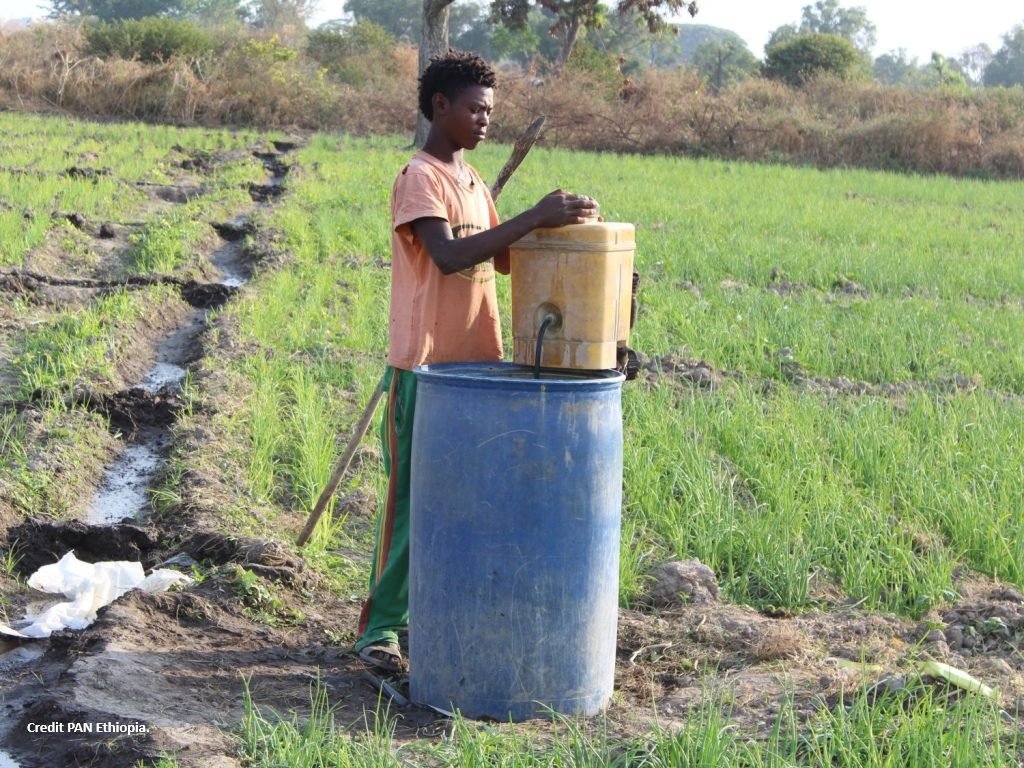
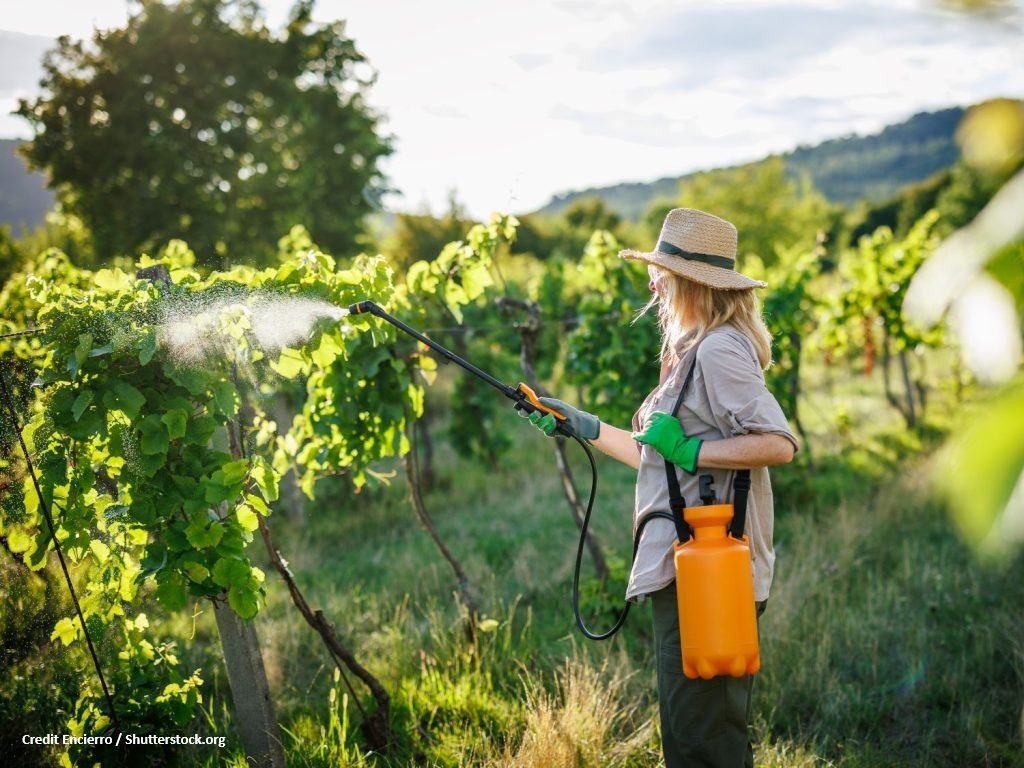
Farmers and farmworkers are mainly exposed to pesticides during preparation and application, as well as when touching treated crops and contaminated equipment or clothing. Farmers may also consume highly contaminated food. Acute pesticide poisoning is any illness or health effect experienced a short time after exposure (for example, within 48 hours). Frequently observed symptoms include headaches, nausea, vomiting and skin rashes. It should be noted that repeated exposure over time might not cause immediate symptoms but can lead to very serious illnesses.
“The high number of non-fatal, unintentional pesticide poisonings makes it clear that the usual focus on fatalities is not enough. Rather, it is necessary to take a more comprehensive approach to the problem of pesticide poisoning and improve international and national measures for tracking and preventing pesticide poisonings,” said Susan Haffmans, Senior Adviser on Pesticides and International Cooperation at PAN Germany. “We can no longer accept that those who work in the fields and grow our food are exposed to harmful pesticides and become sick. The new findings underscore the urgency of promoting chemical-free crop protection and banning highly hazardous pesticides.”
When highly dangerous pesticides are marketed and sold as everyday goods, widespread poisoning is an inevitable consequence. Blaming farmers for pesticide harm unfairly shifts the whole responsibility onto individuals operating within severe economic and practical constraints. Contract farmers are often legally required to use specific chemical inputs, while growers rely heavily on advice from agrochemical representatives due to a lack of independent agroecological guidance. Furthermore, personal protective equipment is frequently too costly and impractical in hot climates.
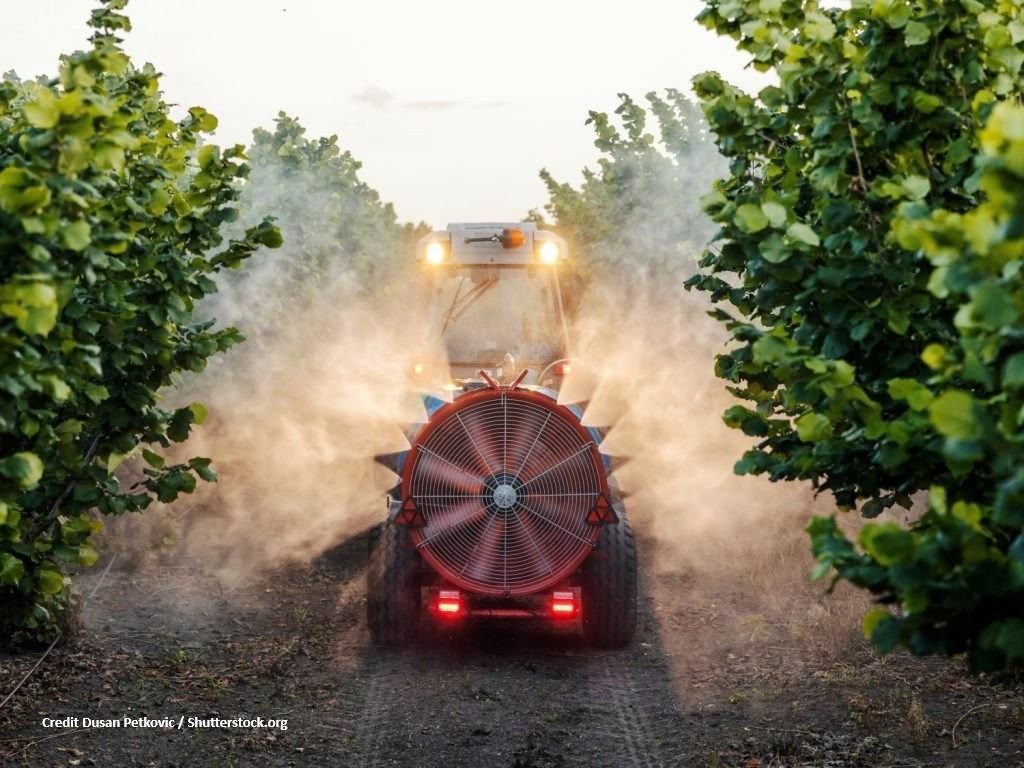
The heavy burden of non-fatal unintended pesticide poisonings, particularly for farmers and farmworkers, brings into focus the current policy bias towards focusing only on fatalities, and the need to more seriously address the overall pesticide poisoning problem in international and national policies and regulations.
PAN UK is calling for:
- Governments and companies to make good on their commitments globally to phase out Highly Hazardous Pesticides from agriculture by 2035 (Target A7, Global Framework on Chemicals) and to support farmers to transition to safer and more sustainable practices, including agroecology (Target D5).
- UK Government support for an increase in organic agriculture including support for farmers through the transition.
- Better health monitoring by the Department of Health and an acknowledgment that UK farmers and farmworkers are at the highest risk from acute and chronic health impacts of pesticides.
- UK and Europe to stop manufacturing, exporting and profiting from pesticides that have been banned here for health or environmental reasons.
- An end to the UK importing produce that has been grown using pesticides that are banned here on human health or environmental grounds.
- UK retailers to phase out the use of Highly Hazardous Pesticides in their global supply chains to protect farmers, farmworkers and others from the harmful effects of these pesticides. It is not acceptable that we simply export our harms to countries that have weaker pesticide standards.
The systematic review entitled “Worldwide unintentional acute pesticide poisonings: reassessing the occupational and non-occupational burden” includes poisoning data from a selected total of 139 countries, including 62 countries covered by 214 scientific articles and 77 countries covered by data from the WHO Mortality Database. Most studies focused on occupational poisonings, particularly of farmers and agricultural workers. The review included data from 2006 to 2023. Find it online here.
“Behind these staggering numbers are farmers, workers and families paying a terrible human price for pesticide exposure. South Asia is bearing an enormous burden, with highly hazardous pesticides such as paraquat implicated in devastating poisoning incidents. This research exposes a crisis that can no longer be ignored. This research puts a human face on a crisis too often overlooked and makes clear that safer, non-chemical alternatives must become the priority to grow our food” added Jayakumar Chelaton, Executive Director of PAN India.
Source: Pesticide Action Network UK